
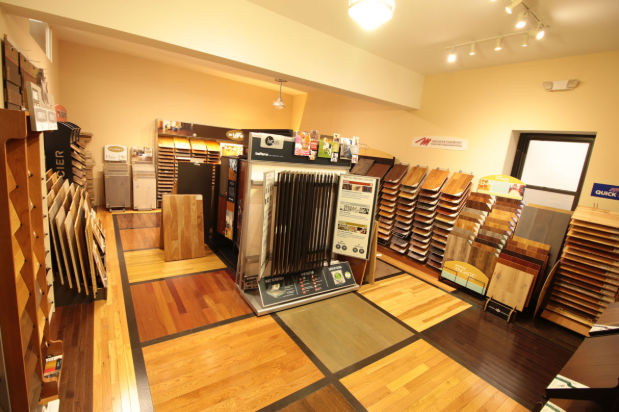
The wholesale hardwood floor boom is reshaping American renovations through direct-to-buyer pricing that cuts costs by 30-50% compared to retail. Contractors and homeowners can now access premium materials, wide planks, sustainable options, and engineered products at distributor prices, previously exclusive to large-scale builders. Design trends favor natural finishes and geometric patterns while eco-certifications drive purchasing decisions. The wholesale model provides bulk discounts, diverse inventory, and customization options that transform renovation budgets into long-term investments.
Hardwood floors are trending as well as dominating U.S. renovation projects like never before. Homeowners have discovered that wholesale hardwood flooring delivers premium quality without the retail markup, turning renovation budgets into investment-worthy transformations. The shift from carpet and vinyl to solid wood reflects a broader shift in how Americans perceive home value. Contractors are buying wholesale in bulk, securing materials that last generations while keeping costs competitive. Meanwhile, DIY renovators are gaining access to distributor pricing once reserved exclusively for professionals, democratizing quality flooring across all project sizes.
What is Driving the Wholesale Hardwood Flooring Trend in U.S. Renovations?
The wholesale hardwood trend stems from three converging forces: economic advantage, design versatility, and sustainable sourcing. Direct purchasing eliminates 30-50% in retail markups while providing access to premium materials that increase home resale value.
The Numbers Tell a Growth Story
Home renovation spending is currently estimated at around $472 billion annually, according to the Joint Center for Housing Studies at Harvard University. This sustained investment reflects homeowners prioritizing updates over new construction.
What’s Driving These Numbers?
Market Forces at Work:
- Aging housing stock requiring modernization (median home age: 42 years)
- Remote work arrangements are increasing home improvement budgets
- Millennial homeownership growth is creating new demand pools
- Supply chain stabilization, reducing material costs, and delivery times
- Consumer preference is shifting toward permanent upgrades over temporary fixes
Renovation vs. New Construction Shift
Home renovations now account for 62% of residential construction spending, up from 48% in 2019. This shift benefits wholesale hardwood floor suppliers catering to contractors managing multiple renovation projects.
Professional installers leverage wholesale relationships to access exclusive product lines and priority allocation during high-demand periods, ensuring project timelines stay on track.
Driving Trends: Design Innovation
Wide planks, bold colors, and geometric patterns are redefining what wholesale buyers seek in hardwood flooring for 2025 renovations.
Wide Planks Dominate Modern Spaces
Plank widths have expanded dramatically over the past five years. Where 3-inch planks once represented standard sizing, today’s installations feature 7 to 12-inch widths that create visual continuity and reduce installation time.
Why Wide Planks Win:
- Fewer seams create cleaner sight lines across rooms
- Better showcase natural wood grain patterns
- Reduce installation labor costs by 15-20%
- Align with minimalist design aesthetics
- Make smaller spaces appear larger
Color Trends Reshaping Wholesale Inventories
Natural and light-toned hardwoods topped design preferences through 2024 and into 2025. White oak, natural maple, and blonde ash dominate wholesale orders, reflecting homeowners’ desire for bright, airy interiors.
Simultaneously, bold colors are carving market share. Deep walnut, ebony-stained oak, and charcoal-finished hickory appeal to buyers, creating dramatic design statements.
Game-Changing Insight:
Color-washing and cerusing techniques, once specialty finishes, are becoming standard wholesale offerings. These processes enhance grain visibility while adding subtle color variations that photograph beautifully for social media sharing.
Pattern Complexity Creates Differentiation
Herringbone and chevron installations transformed from luxury upgrades to mainstream requests. These geometric patterns add architectural interest without requiring additional materials, just different installation approaches.
Popular Pattern Applications:
- Herringbone in kitchen-to-dining transitions
- Chevron in hallways and entryways
- Mixed-width planks in open-concept spaces
- Diagonal layouts in square rooms
- Bordered designs framing living areas
Professional installers report that pattern work increases project value by $3-8 per square foot while requiring only 10-15% more installation time with proper planning.
Sustainability and Material Trends
Eco-friendly sourcing and modern finishes are reshaping what contractors and homeowners demand from wholesale hardwood suppliers.
Eco-Certification Becomes Non-Negotiable
Forest Stewardship Council (FSC) certification now influences most of the wholesale hardwood purchasing decisions. Contractors serving environmentally conscious clients specifically request verified sustainable sourcing to meet green building standards.
Wholesale hardwood flooring suppliers have responded by expanding certified inventory across all price points, making sustainability accessible rather than premium-only.
Reclaimed Wood Gains Commercial Traction
Reclaimed hardwood salvaged from barns, warehouses, and demolished buildings commands premium pricing while delivering authentic character impossible to replicate with new materials.
Reclaimed Advantages:
- Unique patina and aging characteristics
- Superior dimensional stability (pre-weathered)
- Carbon-neutral footprint
- Historical significance and storytelling value
- LEED certification points for commercial projects
The reclaimed market segment grew 23% in 2024 as wholesalers developed reliable sourcing networks and grading standards that assure consistent quality.
Engineered Hardwood Technology Advances
Modern engineered products feature real hardwood veneer layers over high-density core materials, delivering an authentic appearance with enhanced performance characteristics.
Technical Improvements:
- 7-12mm wear layers, allowing multiple refinishing cycles
- Moisture-resistant cores enabling basement installations
- Click-lock systems reduce installation time by 40%
- Pre-finished options eliminate on-site VOC emissions
- Radiant heating compatibility expands application possibilities
Wholesale distribution channels make engineered options cost-competitive with solid hardwood while offering superior versatility for challenging environments.
Finish Evolution: Matte and Satin Dominate
High-gloss polyurethane finishes have given way to matte and satin options that better hide dust, scratches, and wear patterns. These finishes align with contemporary design preferences for natural, lived-in aesthetics.
Finish Performance Data:
- Matte finishes reduce visible scratching by 65% compared to gloss
- Satin options balance durability with subtle light reflection
- Oil-based penetrating sealers create an authentic raw wood appearance
- Water-based finishes cure faster with lower environmental impact
- UV-cured finishes offer maximum durability for commercial applications
Economic Advantages of Buying Wholesale
Direct purchasing from manufacturers and distributors removes retail markups while providing access to premium materials and customization options.
Direct Pricing Eliminates Retail Markup
Wholesale hardwood flooring purchasing removes almost half of retail markup costs by connecting buyers directly with manufacturers or primary distributors. For a 2,000-square-foot installation, this translates to $6,000-12,000 in savings.
Price Comparison Example:
- Retail red oak (3.25″ solid): $8.50-12.00 per sq ft
- Wholesale red oak (same specs): $4.75-7.50 per sq ft
- Project savings on 2,000 sq ft: $7,500-9,000
Bulk Purchasing Creates Volume Discounts
Large orders unlock tiered pricing structures unavailable to single-project buyers. Contractors managing multi-property portfolios negotiate annual contracts that guarantee supply and stabilize costs throughout seasonal fluctuations.
Strategic Buying Benefits:
- Locked-in pricing protects against market volatility
- Reserved inventory for phased project timelines
- Access to specialty products with longer lead times
- Custom milling services at reduced costs
- Extended payment terms for established accounts
Inventory Access Opens Design Options
Wholesale suppliers maintain extensive inventories, including discontinued patterns, rare species, and architectural-grade materials that retail stores can’t justify stocking. This depth allows designers to source historical replicas for restoration projects or create signature looks for high-end renovations.
Specialty items like quarter-sawn white oak, rift-cut walnut, or hand-distressed reclaimed pine become accessible when buying direct from distributors who serve regional markets beyond typical retail offerings.
Integration in Renovation Projects
Successful hardwood installations require strategic planning across project phases, trade coordination, and quality control measures.
Phased Installation Strategies
Extended renovation timelines spanning months or years create unique material-matching challenges. Wholesale purchasing solves this by securing entire project quantities from identical production runs, eliminating color and grain variations that occur between different manufacturing batches.
Phased Project Management:
- Acquire the complete project volume during the initial order
- Utilize distributor climate-controlled storage facilities
- Coordinate deliveries matching construction milestones
- Stockpile surplus boxes for future repairs
- Archive batch documentation for continuity tracking
Coordination with Other Trades
Flooring installation represents the final finish stage in renovation sequences, making it dependent on completed work from electrical, plumbing, HVAC, and painting contractors. Wholesale suppliers often employ field specialists who help general contractors optimize scheduling to prevent damage and rework.
Trade Coordination Essentials:
- Subfloor preparation completed before material delivery
- Climate control systems are operational to prevent moisture issues
- Wall finishes cured to avoid contamination
- Baseboards and trim were measured but installed post-flooring
- Protection protocols established for finished surfaces
Quality Control and Warranty Considerations
Direct purchases from production facilities require buyer vigilance since materials bypass retail quality screening. However, manufacturer warranties generally provide superior coverage compared to store-branded protection plans, especially for defects originating during production rather than installation errors.
Inspection Protocol:
- Sample at least 10% of the delivered cartons randomly
- Verify grain consistency matches approved samples
- Test moisture content aligns with local climate requirements
- Photograph any discrepancies before installation begins
- Clarify warranty exclusions and claim submission procedures
Outlook: What’s Next for Hardwood Flooring?
Technology advances and stricter sustainability standards will shape the wholesale hardwood market through 2033 and beyond.
Technological Innovation Pipeline
The hardwood flooring industry continues investing in technology that enhances performance while maintaining natural aesthetics. Research focuses on surface treatments, moisture management, and installation efficiency.
Emerging Technologies:
- Nano-ceramic coatings providing scratch resistance without gloss
- Smart moisture barriers with expansion compensation
- Rapid-cure adhesives reduce installation downtime
- Digital color matching ensures lot consistency
- Augmented reality tools for design visualization
Sustainability Mandates Tighten
Environmental regulations and consumer preferences will further prioritize sustainable sourcing. Wholesale suppliers are developing transparent supply chains with verified chain-of-custody documentation for all products.
Regulatory Trends:
- California’s formaldehyde emission standards are becoming the national baseline.
- Carbon footprint labeling requirements under consideration
- Deforestation-free sourcing mandates in corporate purchasing
- Extended producer responsibility programs for end-of-life materials
- Tax incentives for certified sustainable material usage
Market Expansion Predictions
Industry forecasts predict continued growth through 2033, driven by aging housing stock requiring updates and generational wealth transfer funding renovations. The wholesale model will capture increasing market share as price transparency and direct-to-consumer channels mature.
Growth Drivers Through 2033:
- 45 million homes exceeding 50 years of age requiring updates
- $84 trillion wealth transfer to younger generations by 2045
- Climate resilience renovations incorporating durable materials
- Hybrid work arrangements are sustaining home improvement spending
- Urbanization trends are increasing renovation activity in core cities
Takeaway
The wholesale hardwood flooring revolution represents more than a purchasing shift. It reflects fundamental changes in how Americans approach home renovation. Quality materials at fair prices, sustainable sourcing, and timeless design have converged to make hardwood flooring the intelligent choice for projects ranging from single-room updates to whole-home transformations.
Your Renovation Deserves Better Than Retail
Rustic Wood Floor Supply brings years of wholesale expertise directly to your renovation project. If you’re updating a historic brownstone or modernizing a suburban ranch, they match your vision with materials that perform beautifully for decades. Their team helps you navigate species selection, acclimation requirements, and installation specifications that prevent costly mistakes.
FAQs
What is wholesale hardwood flooring?
Wholesale hardwood floor refers to wood flooring sold in large quantities directly from manufacturers or major distributors to contractors, businesses, or bulk buyers at reduced prices compared to retail channels.
Why is wholesale hardwood flooring popular in renovation projects?
Wholesale hardwood floors are popular in renovations because they provide high-quality, durable materials at lower per-square-foot costs, making large-scale updates more affordable while maintaining premium aesthetics and performance.
Where can wholesale hardwood floors be purchased?
Wholesale hardwood floors can be bought through specialized distributors, local flooring warehouses, manufacturer-authorized dealers, and some online suppliers that cater to both businesses and qualified homeowners, meeting minimum orders.
What are the main advantages of using wholesale hardwood in home renovations?
The main advantages include cost savings of 30-50%, access to premium varieties and specialty products, and the ability to accommodate larger projects with consistent materials throughout the entire home.