
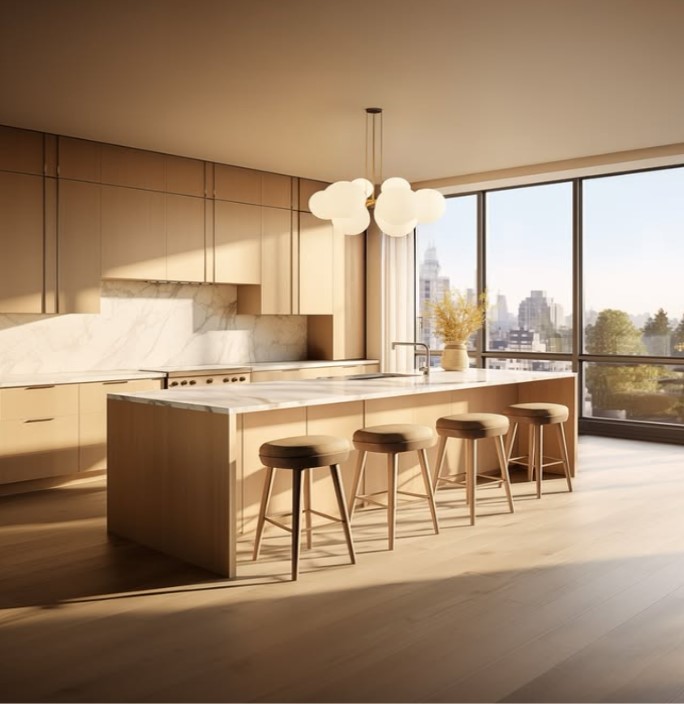
The restaurant industry is highly competitive, and success depends on more than just great food. The interior design of a restaurant plays a crucial role in attracting customers, shaping their experience, and encouraging repeat visits. Hiring a professional restaurant interior designer in Toronto can help create a space that reflects your brand, enhances customer comfort, and improves operational efficiency. From layout planning to lighting and décor, expert designers bring creativity and functionality together to create exceptional dining environments.
Whether you are opening a new restaurant, renovating an existing location, or rebranding your concept, working with a skilled interior designer can significantly impact your business success.
Why Restaurant Interior Design Matters
Interior design is one of the first things customers notice when they enter a restaurant. The ambiance, layout, lighting, and décor all contribute to the overall dining experience. A well-designed space creates a positive impression, builds brand identity, and encourages customers to stay longer.
Good restaurant interior design helps:
- Attract new customers
- Improve customer comfort and satisfaction
- Strengthen brand identity
- Increase customer retention
- Enhance operational efficiency
Customers are more likely to return to restaurants where they feel comfortable and enjoy the atmosphere.
Role of a Restaurant Interior Designer
A restaurant interior designer in Toronto specializes in creating functional, attractive, and brand-focused dining spaces. Their expertise goes beyond choosing colors and furniture. They focus on optimizing space, improving workflow, and ensuring compliance with building regulations.
Key responsibilities include:
- Space planning and layout design
- Concept development and theme creation
- Lighting design and fixture selection
- Furniture and material selection
- Coordination with architects and contractors
- Ensuring compliance with safety and accessibility standards
Their goal is to create a visually appealing environment that also supports efficient restaurant operations.
Creating a Strong First Impression
First impressions are critical in the restaurant business. Customers often form opinions within seconds of entering the space. Elements such as lighting, décor, seating arrangements, and overall ambiance influence how customers perceive the restaurant.
A professional designer ensures that every detail aligns with the restaurant’s concept and target audience. For example, a fine dining restaurant may use elegant lighting and sophisticated materials, while a casual café may feature bright colors and relaxed seating.
A cohesive and attractive design makes customers feel welcome and encourages them to return.
Space Planning and Layout Optimization
Efficient space planning is essential for both customer comfort and staff productivity. Restaurant interior designers carefully plan the layout to maximize seating capacity without making the space feel crowded.
Key layout considerations include:
- Dining area arrangement
- Kitchen accessibility
- Waiting and reception areas
- Walkways and traffic flow
- Accessibility for all customers
Proper layout planning ensures smooth movement for staff and guests, improving overall efficiency and service quality.
Enhancing Brand Identity Through Design
Restaurant interior design is an extension of your brand. Every design element—from colors and textures to furniture and artwork—should reflect your restaurant’s identity.
A restaurant interior designer in Toronto works closely with owners to understand their vision, concept, and target audience. They incorporate branding elements into the design to create a unique and memorable environment.
Strong branding through interior design helps differentiate your restaurant from competitors and builds customer loyalty.
Lighting: Setting the Mood and Atmosphere
Lighting is one of the most important aspects of restaurant interior design. It affects both functionality and ambiance. Proper lighting enhances the dining experience and creates the desired mood.
Different lighting strategies include:
- Ambient lighting for overall illumination
- Accent lighting to highlight design features
- Task lighting for functional areas
- Decorative lighting for visual appeal
Warm lighting creates a cozy and intimate atmosphere, while brighter lighting works well for fast-casual dining environments.
Professional designers use lighting strategically to enhance both aesthetics and functionality.
Furniture and Material Selection
Choosing the right furniture and materials is essential for durability, comfort, and visual appeal. Restaurant furniture must withstand heavy use while maintaining its appearance.
Designers consider factors such as:
- Comfort and ergonomics
- Durability and maintenance
- Space efficiency
- Style and brand alignment
High-quality materials and furniture ensure long-term value and enhance the overall customer experience.
Compliance with Local Regulations
Restaurants in Ontario must comply with strict building codes, safety standards, and accessibility regulations. Restaurant interior designers are familiar with these requirements and ensure the design meets all legal standards.
Compliance considerations include:
- Fire safety and emergency exits
- Accessibility requirements
- Ventilation and air quality
- Electrical and plumbing systems
- Health and safety standards
Ensuring compliance helps avoid delays, fines, and operational issues.
Improving Operational Efficiency
Restaurant interior design is not just about aesthetics—it also impacts operational efficiency. Poor design can lead to crowded spaces, slow service, and staff frustration.
Professional designers optimize layouts to improve workflow and efficiency. This includes:
- Efficient kitchen-to-dining area connections
- Proper placement of service stations
- Clear pathways for staff movement
Improved efficiency leads to faster service, better customer satisfaction, and increased profitability.
Popular Restaurant Interior Design Trends in Toronto
Restaurant design trends continue to evolve to meet changing customer expectations and industry innovations.
Open and Transparent Layouts
Open kitchen designs allow customers to see food preparation, creating transparency and trust.
Sustainable and Eco-Friendly Design
Many restaurants use sustainable materials, energy-efficient lighting, and environmentally friendly finishes.
Minimalist and Modern Design
Clean lines, neutral colors, and simple décor create a modern and sophisticated look.
Instagram-Worthy Spaces
Visually appealing interiors encourage customers to share photos on social media, increasing brand exposure.
Flexible and Multi-Functional Spaces
Restaurants are designing flexible layouts that can accommodate events, group dining, and different seating arrangements.
Staying updated with design trends helps restaurants remain competitive and appealing.
Benefits of Hiring a Restaurant Interior Designer in Toronto
Working with a professional interior designer offers several advantages:
Professional Expertise
Designers bring experience and industry knowledge to create effective and attractive spaces.
Time and Cost Efficiency
Proper planning helps avoid costly mistakes and reduces project delays.
Unique and Customized Design
Professional designers create tailored solutions that reflect your brand and concept.
Improved Customer Experience
Well-designed spaces enhance comfort and satisfaction, encouraging repeat visits.
Increased Business Value
Attractive and functional interiors contribute to higher customer engagement and revenue.
Hiring a designer is an investment that delivers long-term benefits.
The Restaurant Interior Design Process
The design process typically includes several stages:
Initial Consultation
The designer discusses your goals, concept, and budget.
Concept Development
Design concepts, mood boards, and layout plans are created.
Detailed Design and Planning
Technical drawings, material selections, and design details are finalized.
Implementation and Coordination
The designer works with contractors and oversees the project.
Final Setup and Completion
Furniture, lighting, and finishing touches are installed to complete the space.
This structured process ensures a smooth and successful project.
Choosing the Right Restaurant Interior Designer
Selecting the right restaurant interior designer in Toronto is essential. Consider factors such as:
- Experience in restaurant design
- Portfolio and past projects
- Understanding of your concept
- Knowledge of local regulations
- Communication and collaboration skills
Working with the right designer ensures your vision is successfully executed.
Conclusion
A professional restaurant interior designer in Toronto plays a vital role in creating dining spaces that are visually appealing, functional, and aligned with your brand. From space planning and lighting to furniture selection and compliance, expert designers help create environments that enhance customer experience and improve operational efficiency.
Investing in professional interior design not only attracts customers but also strengthens your brand and increases long-term profitability. In a competitive restaurant market, thoughtful and strategic interior design can make all the difference in building a successful and memorable dining destination.
antibiotics online prescription
antibiotics online prescription
doxycycline hyclate 100 mg cap cost
doxycycline hyclate 100 mg cap cost
sertralina
sertralina
amoxicillin clavulanate
amoxicillin clavulanate
metoprolol tartrate 25 mg oral tablet
metoprolol tartrate 25 mg oral tablet
lasix medicine price
lasix medicine price
doxycycline monohydrate for acne
doxycycline monohydrate for acne
doxycycline hyclate vibramycin
doxycycline hyclate vibramycin
xenical need prescription
xenical need prescription
vardenafil generic name
vardenafil generic name
domperidone ingredients
domperidone ingredients
tadalafil cost goodrx
tadalafil cost goodrx
terbinafine mechanism essential info
terbinafine mechanism essential info
toradol migraine information
toradol migraine information
vardenafil 5 mg dose overview
vardenafil 5 mg dose overview
vardenafil food‑related factors
vardenafil food‑related factors
Viagra vs sildenafil metabolism
Viagra vs sildenafil metabolism
Levitra vs Sildenafil Absorption Speed
Levitra vs Sildenafil Absorption Speed
Comments are closed.