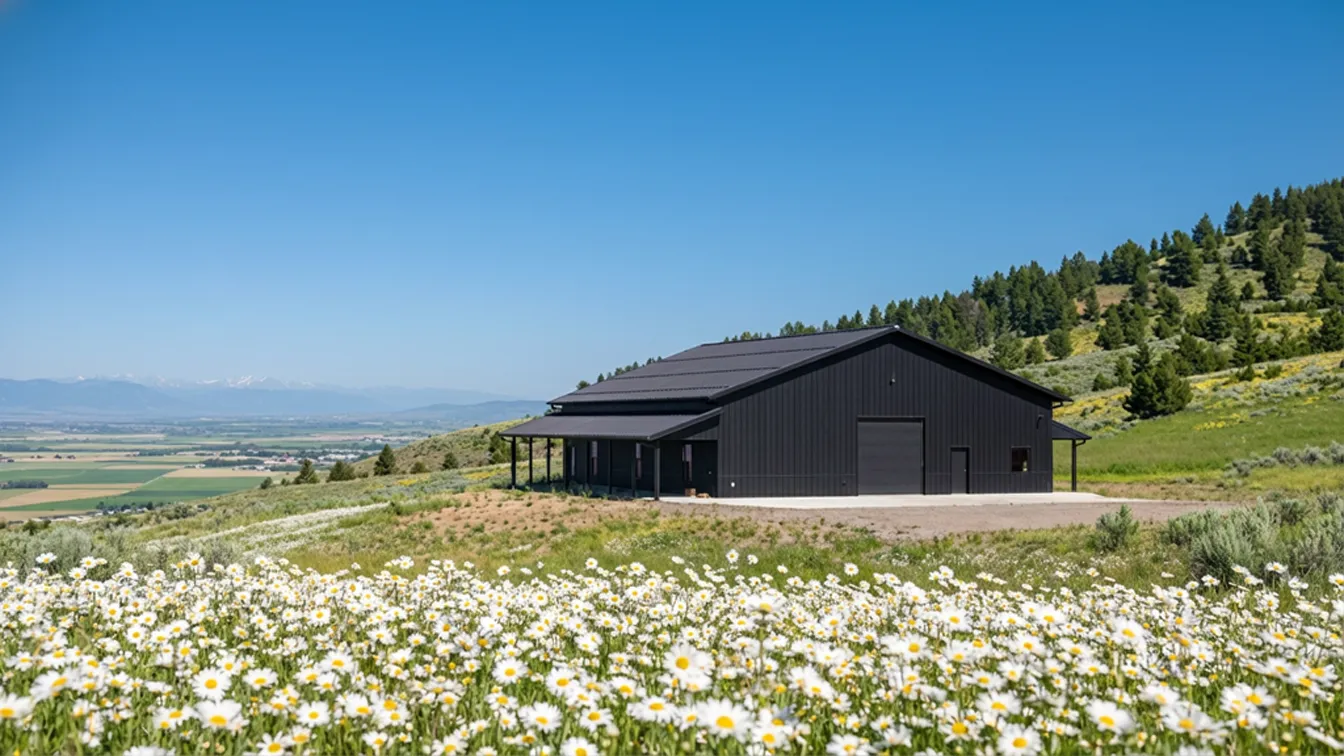
The agricultural sector has long been an integral part of the Canadian economy. With advancements in technology and building materials, the design and construction of agricultural buildings have seen tremendous progress. These advancements are not only enhancing productivity but also promoting sustainability and durability. The surge in demand for innovative and efficient structures has led professionals, especially steel building builders Canada, to devise unique solutions tailored specifically to the agricultural industry.
Understanding Modern Agricultural Building Needs
The requirements of modern agricultural buildings have evolved significantly over the years. With a greater emphasis on environmental impact, energy efficiency, and cost-effectiveness, there is a push for structures that are flexible and resilient. Modern farmers seek buildings that can cater to various functions, from grain storage to livestock shelters, while ensuring that these structures contribute positively to the ecosystem.
In light of these needs, steel buildings have emerged as a preferred choice due to their versatility and strength. They offer unparalleled advantages, such as quick assembly, minimal maintenance, and a long lifespan, making them an ideal fit for the agricultural landscape.
The Role of Steel in Agricultural Building Design
The use of steel in agricultural building design has transformed the construction landscape. Its inherent properties make steel a material of choice in constructing robust structures that can withstand adverse weather conditions and seismic activities.
For instance, steel’s adaptability allows for large open spaces, essential for equipment storage and processing areas. By minimizing the requirement for support columns, steel frames create more usable interior space, a significant advantage for agricultural operations that require flexibility and efficiency.
Durability and Longevity
One of the most significant advantages of steel buildings is their durability. Steel is not susceptible to the same wear and tear as wood or other traditional materials. This makes steel buildings an excellent choice for those looking to invest in a long-term solution. The resilience of steel ensures that agricultural buildings can endure the elements, whether it’s heavy snow, intense winds, or flooding, thereby minimizing repair costs and extending the structure’s life.
Environmental Benefits and Sustainability
As sustainability becomes a crucial consideration in construction, steel buildings offer a more environmentally friendly option. Steel is 100% recyclable and can be reused without significant loss in quality. Moreover, the production of steel has become increasingly eco-efficient, with many suppliers using recycled materials, thus reducing the carbon footprint.
In addition to recyclability, modern steel buildings can be designed to incorporate renewable energy sources, such as solar panels. This integration not only reduces energy costs but also aligns with Canada’s commitment to reducing greenhouse gas emissions and promoting clean energy solutions.
Innovations in Design: Meeting the Needs of the Agricultural Sector
The requirements of Canadian farmers are diverse, and building designs must meet specific agricultural needs to enhance productivity. Responses to these demands have led to several innovative design solutions aimed at optimizing operational efficiency.
Prefabricated Steel Building Kits
Among the most noteworthy advancements is the development of 40×60 Steel Building Kit. These kits provide a ready-made option that simplifies the construction process. Pre-engineered and prefabricated, these kits are designed for easy assembly, which significantly reduces the construction time and labor costs.
For farmers looking for functional and versatile space, the 40×60 steel building size offers substantial room to cater to storage needs, workshops, or even as barns. The efficiency of these kits provides farmers the flexibility to focus on other crucial aspects of their operations without having to worry about the intricacies of construction.
Smart Technologies and Automation
With technology driving change across all sectors, agricultural buildings are no exception. The integration of smart technologies into building design is revolutionizing farm management. Smart sensors and automated systems are being used to monitor conditions such as temperature, humidity, and lighting within agricultural buildings. This data-driven approach allows farmers to optimize the conditions for livestock and crops, thus enhancing productivity and reducing waste.
Challenges and Future Directions
Although the advancements in steel agricultural buildings are promising, there are challenges that the industry continues to face. Rising material costs and the need for skilled labor are persistent issues that necessitate innovative solutions.
Furthermore, as climate change poses new challenges, designing buildings capable of adapting to extreme weather conditions will remain a priority. The future of agricultural building design lies in continuing to advance smart technology integration, energy efficiency, and sustainable building practices.
Collaborative Approaches and Community Involvement
To successfully navigate these challenges, collaboration between builders, farmers, and policymakers is critical. By engaging different stakeholders, the construction industry can foster an environment that supports sustainable development and meets the dynamically changing needs of the agricultural sector.
Community involvement, particularly in rural areas, can also drive the adoption of innovative building solutions. Local initiatives that encourage environmentally friendly construction practices and provide training on the use of new technologies are essential for widespread success.
Conclusion: Embracing the Future
The advancements in agricultural building design are changing Canada’s agricultural landscape. By leveraging steel as a primary construction material, the industry can provide durable, efficient, and sustainable solutions for Canadian farmers. As we look to the future, the potential for further innovation is considerable, promising continued improvements in productivity and environmental responsibility.
Organizations such as steel building builders Canada are at the forefront of these developments, ensuring that the needs of the agricultural sector are met with cutting-edge construction practices. The landscape of agricultural buildings continues to evolve, and embracing these advancements is paramount for the sustained growth and success of Canadian agriculture.