
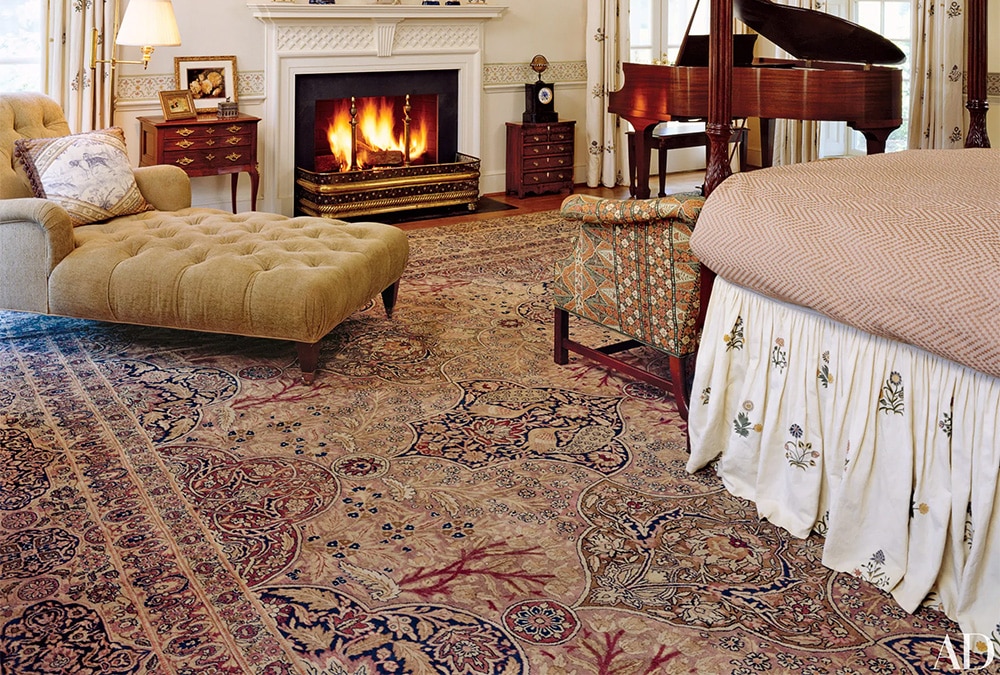
Vintage rugs work best in living rooms, bedrooms, dining rooms, entryways, and home offices. They add warmth, character, and a sense of history to any space. The key is knowing where to place them—and how to style them—so they look intentional, not accidental.
Vintage rugs have a staying power that most home décor trends simply don’t. They age well, carry stories, and somehow make every room feel more lived-in and personal. Whether you’re drawn to a faded Persian medallion or a bold tribal geometric, there’s a vintage rug that fits your home.
But placement matters. A stunning rug in the wrong spot—or the wrong size—can fall flat. This guide walks you through the best places to use vintage rugs in your home, along with practical styling tips and advice on where to find quality pieces.
Why Choose Vintage Rugs Over Modern Ones?
Durability That Stands the Test of Time
Vintage rugs have already proven themselves. Many were hand-knotted using wool or silk and built to last decades—sometimes centuries. The fact that they’re still around says everything about their quality. A well-maintained vintage rug will outlast most modern machine-made alternatives.
Unique Character You Can’t Replicate
No two vintage rugs are the same. Each one carries slight color variations, irregular patterns, and the marks of time—all of which add to its charm. You won’t find a mass-produced copy at a chain furniture store.
A More Sustainable Choice
Buying vintage is one of the most straightforward ways to shop sustainably. You’re extending the life of an existing piece rather than driving demand for new production. For buyers who care about the environmental impact of their purchases, vintage rugs are a practical and stylish option.
Top Spots for Vintage Rugs in Your Living Room
The living room is the most natural home for a vintage rug—and it’s where placement decisions carry the most visual weight.
Under the Coffee Table
This is the most common approach, and for good reason. A rug anchored under a coffee table ties your seating area together and gives the room a clear focal point. As a general rule, at least the front legs of all sofas and chairs should rest on the rug. This creates a sense of cohesion rather than a floating rug that doesn’t quite belong.
Defining a Seating Area
In larger living rooms, a vintage rug can carve out a distinct seating zone within an open floor plan. Use it to separate the conversation area from the TV zone, or to distinguish the reading corner from the rest of the room. The rug does the heavy lifting—no furniture rearrangement required.
Enhancing Your Bedroom with Vintage Rugs
Under the Bed
Place a generous-sized rug under the bed so that roughly 18–24 inches of rug extends on each side. When you step out of bed in the morning, your feet land on something warm and soft rather than cold flooring. It also grounds the bed visually and makes the room feel complete.
As a Bedroom Accent
If you prefer a smaller piece, a vintage rug works well at the foot of the bed or beside a dresser. Keep the rest of the room relatively neutral so the rug has space to stand out. Let it be the statement.
Vintage Rugs in the Dining Room
Dining rooms are often overlooked when it comes to rugs, but a vintage rug here adds real warmth—especially in rooms with hard flooring that can feel cold and echoey.
The key rule: make sure the rug is large enough so that chairs remain on the rug even when pulled out. A rug that’s too small will cause chairs to catch on the edge every time someone sits down, which gets frustrating fast.
Choose a flat-weave or low-pile vintage rug for dining areas. They’re easier to clean after spills and don’t trap crumbs the way high-pile rugs do.
Creative Uses for Vintage Rugs in Other Spaces
Entryways and Hallways
A vintage rug in the entryway sets the tone for your entire home. It’s the first thing guests see, and it signals that attention has been paid to the details. In hallways, a long runner adds warmth and absorbs sound in what can otherwise feel like a cold corridor.
Home Offices
Home offices often feel sterile. A vintage rug changes that immediately. It softens the space acoustically and visually, making long work days more comfortable. Choose a pattern that’s busy enough to hide dust but not so bold that it’s distracting.
Styling Tips for Incorporating Vintage Rugs
Mix patterns with intention. Vintage rugs often feature intricate patterns. Pair them with solid-colored furniture or simple textiles to avoid visual overload. If you want to mix patterns—say, a floral rug with striped cushions—keep the color palette consistent.
Balance old and new. Vintage rugs look especially striking against modern furniture. A mid-century modern sofa paired with a worn Persian rug creates a tension that feels curated rather than mismatched.
Don’t over-match. Trying to find a rug that perfectly matches your sofa color or wall paint usually backfires. Let the rug complement rather than mirror the room.
Layer rugs for texture. Layering a smaller vintage rug over a larger natural fiber rug (like jute) is a popular styling trick. It adds depth and allows you to use a smaller vintage piece without it looking lost.
Where to Find Quality Vintage Rugs
If you’re looking to buy rugs online in India, prioritize sellers who are transparent about materials, origin, and craftsmanship. Machine-made rugs marketed as “vintage-style” are widely available—but they don’t offer the same durability or character as genuine handcrafted pieces.
For buyers interested in handcrafted rugs in India, The Ambiente is worth knowing about. Founded by Avani Khandelwal and based in Bhadohi—India’s recognized hub of hand-knotted carpet weaving—The Ambiente brings together 30+ years of manufacturing experience through its parent company, Bhadohi Carpets. Their collections blend traditional weaving techniques with contemporary design, and they work with a network of over 4,000 artisans, the majority of whom are women.
The Ambiente operates both a flagship store in Sultanpur, New Delhi, and an online platform—making it straightforward to buy rugs online in India without sacrificing quality or authenticity.
Caring for Your Vintage Rugs
Vintage rugs need a little more attention than modern ones—but not much more.
-
Rotate regularly. Rotate your rug every 6–12 months to ensure even wear and sun exposure.
-
Vacuum gently. Use a low-suction setting and avoid motorized brush heads, which can damage delicate fibers.
-
Deal with spills immediately. Blot (never rub) liquid spills with a clean cloth. Rubbing spreads the stain and damages fibers.
-
Use a rug pad. A non-slip pad underneath protects the rug’s backing, prevents slipping, and extends its lifespan.
-
Professional cleaning. Have vintage rugs professionally cleaned every 2–3 years, especially for silk or heavily worn pieces.
Investing in a Piece That Lasts
Vintage rugs aren’t just floor coverings. They’re functional art with history behind them. Place them thoughtfully, care for them properly, and they’ll anchor your home for years—often improving with age.
Whether you’re styling a living room, warming up a bedroom, or finishing off a home office, there’s a vintage rug that fits the space. The challenge isn’t finding one you love. It’s narrowing it down.
Frequently Asked Questions
What size vintage rug should I use in my living room?
For most living rooms, an 8×10 or 9×12 rug works well. The front legs of all major seating pieces should rest on the rug. If your room is smaller, a 5×8 rug under the coffee table alone can work—just make sure it’s proportionate to the seating arrangement.
Are vintage rugs suitable for homes with pets or children?
Yes. Wool vintage rugs are naturally stain-resistant and durable enough for active households. Flat-weave styles are the easiest to clean. Avoid delicate silk vintage rugs in high-traffic family areas.
Can I use a vintage rug in a modern or minimalist interior?
Absolutely. Vintage rugs often complement modern interiors well because they add warmth and texture without requiring you to commit to a specific décor style. Keep surrounding furniture and walls neutral to let the rug stand out.
What’s the difference between a vintage rug and an antique rug?
Generally, rugs over 100 years old are classified as antique. Vintage rugs typically refer to pieces between 20 and 99 years old. Both carry craftsmanship and history, but antique rugs tend to be rarer and more expensive.
Where can I buy authentic handcrafted rugs in India online?
Look for sellers who disclose materials, weaving techniques, and artisan origins. The Ambiente offers a range of handcrafted rugs in India, with options to buy rugs online in India directly through their platform—backed by 30+ years of expertise in handmade carpet production from Bhadohi.