
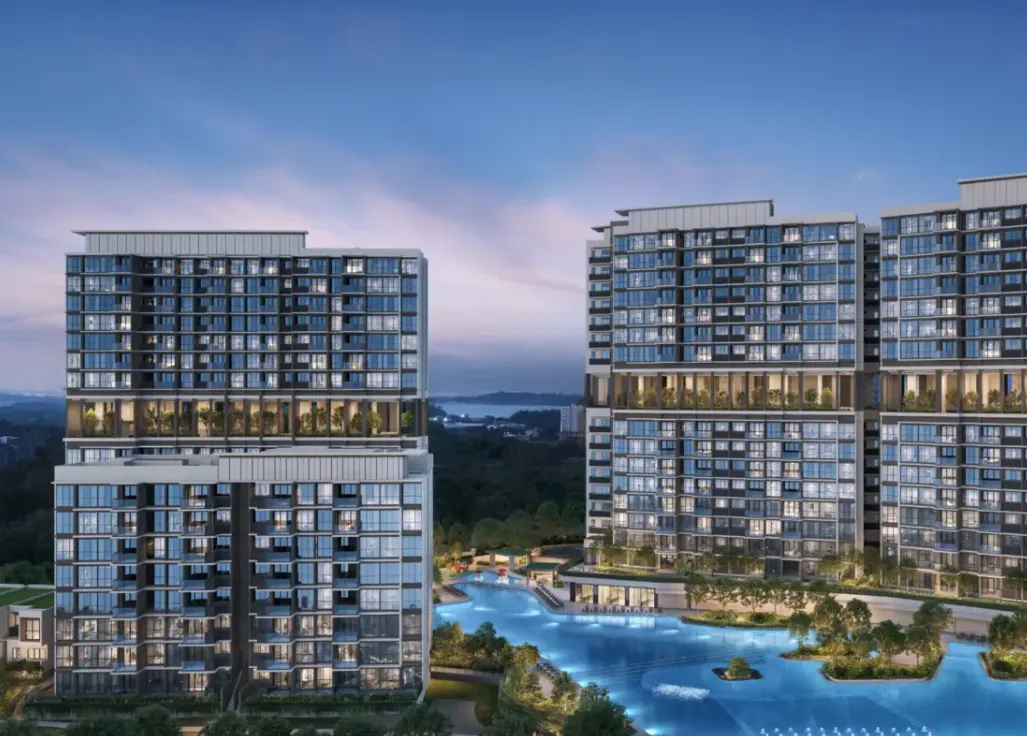
Purchasing real estate in Singapore represents a major milestone for expatriates seeking a stable, high-yield investment. For American nationals, this process comes with a unique, highly lucrative advantage. Thanks to the United States-Singapore Free Trade Agreement (USSFTA), US citizens enjoy the same tax treatment as Singapore citizens. This means you can bypass the hefty 60% Additional Buyer’s Stamp Duty (ABSD) on your first residential purchase, making premium developments near Lentor Garden highly accessible. Understanding the legal framework, tax exemptions, and financing options is essential to securing your ideal Singapore property. This guide breaks down the exact steps and ABSD tips to help you purchase your home smoothly.
The US Citizen ABSD Advantage Explained
Foreigners buying residential property in Singapore typically face a daunting 60% Additional Buyer’s Stamp Duty (ABSD). This tax aims to cool the housing market and keep housing affordable for locals. However, as a US citizen, you qualify for a critical exemption under the United States-Singapore Free Trade Agreement. Under this treaty, US citizens receive nationality treatment, meaning your tax rates align directly with Singapore citizens.
Consequently, you pay 0% ABSD on your very first residential property purchase in Singapore. If you decide to purchase a second residential property, your ABSD rate rises to 20%, and a third property incurs a 30% tax. This is a massive financial advantage compared to other foreign buyers who pay 60% from their very first purchase. Whether you want to buy a modern suburban condominium near Lentor Garden or a luxury apartment in the city center, this tax exemption saves you hundreds of thousands of dollars.
To claim this benefit, your legal representative must submit an application for ABSD remission via the Inland Revenue Authority of Singapore (IRAS) e-Stamping portal before completing the purchase. This process requires proof of citizenship, such as a valid US passport, to verify your eligibility.
Finding the Right Property Type
As a foreign buyer, Singapore law restricts the types of real estate you can acquire. The Residential Property Act prevents foreigners from purchasing landed homes, such as bungalows or terrace houses, without special approval from the Land Dealings Approval Unit. Fortunately, private condominium units are completely unrestricted, allowing you to buy freely.
When choosing a location, you must decide between suburban growth sectors and established, prestigious residential enclaves. For instance, the suburban areas surrounding Lentor Garden offer modern, family-friendly developments with excellent connectivity to transit lines and nature parks. These areas provide high rental yields and long-term capital appreciation potential as the surrounding infrastructure expands.
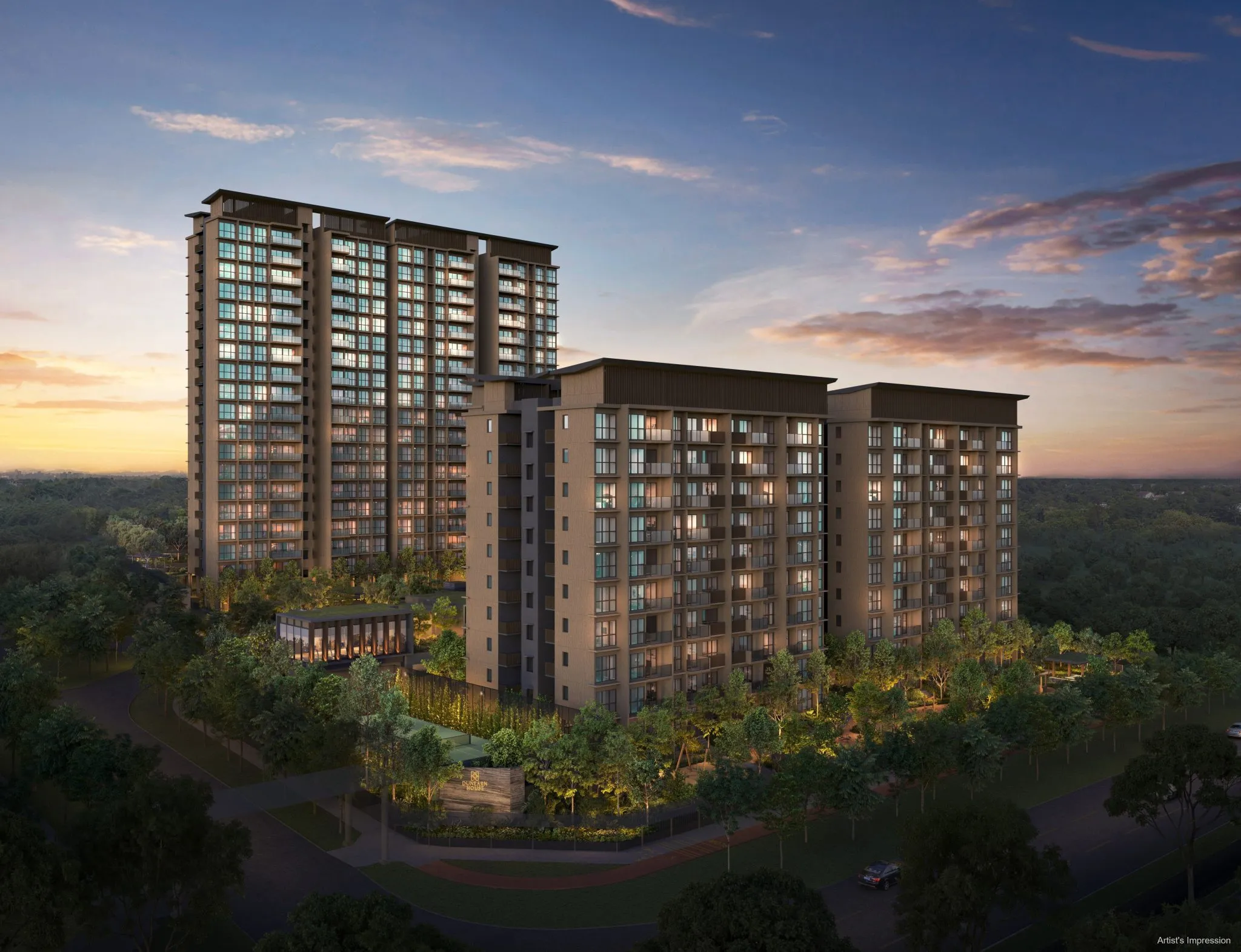
Conversely, if you prefer low-density, exclusive neighborhoods closer to elite schools and central districts, properties near Dunearn House present an exceptional alternative. Located along the prime Bukit Timah corridor, this region boasts historic charm and immediate access to top-tier international institutions. Balancing your lifestyle needs with investment potential will dictate whether you focus on emerging suburban hubs or established heritage districts. Regardless of your choice, focusing on private condominiums ensures a straightforward transaction process free from the regulatory hurdles associated with landed estates.
Understanding the Financial and Loan Framework
Securing financing as an expatriate involves understanding Singapore’s strict monetary policies. Local and international banks in Singapore offer mortgages to US citizens, but the terms depend heavily on your residency status and income source. If you reside and work in Singapore with a valid employment pass, banks view you as a lower-risk borrower compared to non-resident buyers.
The maximum Loan-to-Value (LTV) ratio for your first housing loan is capped at 75% of the property value. This means you must cover the remaining 25% through a combination of cash and your Central Provident Fund (CPF) savings, though as a US citizen, you will likely rely solely on cash unless you hold Permanent Residency. Additionally, buyers must comply with the Total Debt Servicing Ratio (TDSR) framework, which dictates that your monthly debt obligations must not exceed 55% of your gross monthly income.
If you invest in a new launch property, such as a new phase near Dunearn House, the payment follows a progressive scheme. You pay in stages linked to construction milestones rather than a single lump sum. This structure provides financial flexibility, allowing you to manage cash flow effectively while the building progresses toward completion.
The Step-by-Step Purchasing Process
Once you select a property, the formal transaction begins with the Option to Purchase (OTP). You pay a 1% option fee to the seller in exchange for a binding agreement that secures the property for a set period, typically two to three weeks. During this option period, your legal counsel reviews the contract terms and prepares the necessary paperwork.
To exercise the option, you must pay an additional 4% exercise fee, officially committing to the purchase. Within 14 days of exercising the OTP, you must sign the Sale and Purchase Agreement and pay the standard Buyer’s Stamp Duty (BSD). The BSD is a progressive tax applied to all property purchases, separate from the ABSD. Thanks to your tax treaty status, you will only pay this standard BSD, avoiding the punitive foreign buyer taxes.
The final stage involves the legal completion of the sale, which usually takes 8 to 12 weeks for completed properties. During this period, your lawyer coordinates with the bank to draw down your mortgage and registers your ownership with the Singapore Land Authority. This structured timeline applies whether you are securing a cozy unit near Dunearn House or a spacious family apartment in the heart of the city, ensuring a secure transfer of title.
Conclusion
Buying a condo in Singapore as a US citizen offers a remarkable investment opportunity, largely due to the ABSD exemption granted by the USSFTA. By avoiding the steep 60% tax rate imposed on other foreign buyers, you can allocate more capital toward premium locations and high-quality developments. Whether you choose a rapidly growing suburban district or the prestigious, leafy streets of prime residential areas, understanding the local market regulations and financial frameworks is key to a successful transaction. Partnering with experienced real estate agents and legal professionals ensures that your purchase complies with all local laws, paving the way for a smooth, profitable real estate journey in one of Asia’s most stable economies.