
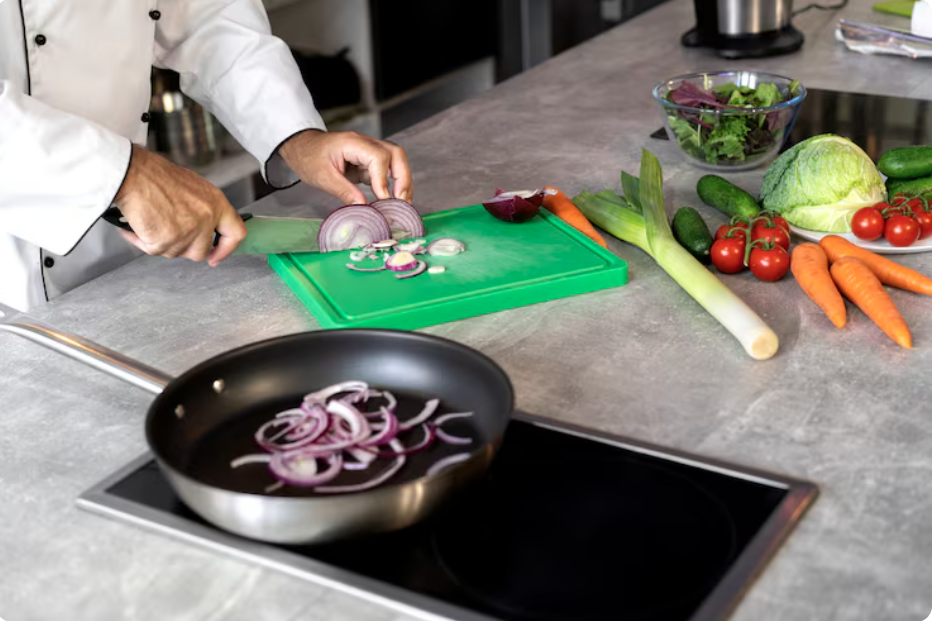
Choosing the perfect cooktop is one of the most important decisions for any modern kitchen. With sleek designs and high-tech options, the choice isn’t just about looks — it’s about performance, efficiency, and how it fits your cooking lifestyle. Two of the most popular options are induction cooktops and electric cooktops. But which one is right for you?
In this article, we’ll dive into induction vs electric cooktops, explore their advantages and drawbacks, and help home chefs make a confident choice that balances power, style, and efficiency.
What Is the Difference Between Induction and Electric Cooktops?
Induction Cooktops
Induction cooktops use electromagnetic fields to directly heat the pan, rather than heating the surface itself. This technology allows for precise temperature control, rapid heating, and energy efficiency.
Key Features:
- Fast cooking times, as heat is generated directly in the pan
- Precise control, perfect for delicate sauces or melting chocolate
- Requires magnetic cookware like cast iron or stainless steel
Electric Cooktops
Electric cooktops rely on resistive heating elements beneath a smooth glass surface or exposed coils. Heat is transferred from the surface to the pan.
Key Features:
- Compatible with nearly any cookware
- Slower to heat up and cool down compared to induction
- Usually more affordable upfront
Induction vs Electric Cooktop: Performance Comparison
1. Cooking Speed
Induction cooktops heat up much faster than electric models because energy is delivered directly to the pan. Water boils in nearly half the time, and food responds instantly to temperature changes.
Electric cooktops are slower to heat but maintain warmth steadily, which can be ideal for simmering soups or slow-cooked dishes.
2. Energy Efficiency
Induction cooktops are up to 90% energy-efficient, as almost all the energy goes into the pan. Electric cooktops are less efficient, typically using 65–70% of energy, since heat is lost to the surface and surrounding air.
3. Safety
Induction cooktops stay cooler to the touch, reducing burn risks. Many models also feature automatic shut-off when no cookware is detected.
Electric cooktops, however, remain hot even after cooking, which can be a concern in households with children or pets.
4. Ease of Cleaning
Because induction surfaces don’t get extremely hot, spills don’t burn onto the cooktop, making them easier to wipe clean.
Electric cooktops, especially coil models, can trap food and require more scrubbing. Smooth glass electric tops are easier to clean but still hotter than induction.
5. Cost Considerations
Induction cooktops generally have higher upfront costs, and may require new magnetic cookware. Over time, the energy savings and efficiency can offset this investment.
Electric cooktops are more budget-friendly, compatible with all types of pans, and widely available in various sizes and styles.
Real-Life Example: Choosing Between Induction and Electric
Meet James and Lily, a young couple renovating their kitchen in Manchester. James loves fast, precise cooking, while Lily enjoys preparing slow-cooked meals.
They chose an induction cooktop. James explains:
“I’m amazed at how quickly it heats up and how responsive it is. Boiling water is practically instant, and I can control the heat so precisely for delicate dishes.”
Lily adds:
“At first, I was worried about the need for special pans, but upgrading our cookware was worth it. It’s safer too, which is a relief with our toddler around.”
Their story highlights how induction is ideal for households looking for speed, precision, and safety, while electric remains suitable for those who prioritize simplicity and versatility.
Tips for Choosing the Right Cooktop
1. Assess Your Cooking Style
- Quick, precise cooking → Induction
- Slow, steady cooking → Electric
2. Consider Your Kitchen Setup
- Induction works best in modern kitchens with magnetic cookware and a dedicated power supply
- Electric cooktops are easier to retrofit into existing kitchens
3. Budget Wisely
- Induction is a long-term investment, offering efficiency and safety
- Electric is cost-effective upfront and works with all cookware
4. Safety and Household Needs
- Families with children or pets may benefit from the cooler surface of induction
- Electric is fine for adults or those comfortable monitoring hot surfaces
Induction vs Electric Cooktop: Style Matters
Both induction and electric cooktops come in sleek, modern designs that complement contemporary kitchens. From black glass tops to stainless steel trims, these cooktops can enhance the visual appeal of your cooking space while providing functional excellence.
- Induction cooktops often have touch controls and minimalist surfaces.
- Electric cooktops may feature smooth glass or traditional coil elements, offering both modern and classic options.
Final Thoughts: Induction vs Electric Cooktop
Ultimately, the choice between induction vs electric cooktops depends on your cooking habits, lifestyle, and kitchen setup.
Induction cooktops:
- Faster, more energy-efficient, and safer
- Precise temperature control for professional-style cooking
- Ideal for busy households or open-plan kitchens
Electric cooktops:
- Affordable and compatible with all cookware
- Slower heating, but reliable for simmering and steady cooking
- Works well for budget-conscious homeowners or those with classic kitchen designs
Choosing the right cooktop isn’t just about cooking — it’s about enhancing your kitchen experience, saving time, and creating a space where cooking is enjoyable. By understanding the differences, you can make a decision that fits your needs, your lifestyle, and your home’s style.
fluconazole
fluconazole
dapoxetine tablet
dapoxetine tablet
azithromycin 500 mg
azithromycin 500 mg
stendra 200 mg avanafil tablets
stendra 200 mg avanafil tablets
flagyl for uti
flagyl for uti
lasix furosemide tablets
lasix furosemide tablets
vidalista 40 mg bestellen
vidalista 40 mg bestellen
cialis eye pressure
cialis eye pressure
orlistat cost canada
orlistat cost canada
semaglutide with b12 for weight loss side effects
semaglutide with b12 for weight loss side effects
flagyl in pregnancy safe
flagyl in pregnancy safe
minoxidil hair reddit
minoxidil hair reddit
liraglutide brand for diabetes
liraglutide brand for diabetes
ivermectin help page
ivermectin help page
ivermectin PK mechanism link
ivermectin PK mechanism link
ED medication food interactions
ED medication food interactions
avanafil price influences
avanafil price influences
vardenafil risk warnings
vardenafil risk warnings
augmentin mechanism of action
augmentin mechanism of action
amoxicillin interaction list
amoxicillin interaction list
penicillin allergy emergency signs
penicillin allergy emergency signs
visit sildenafil vs tadalafil guide
visit sildenafil vs tadalafil guide
learn how sildenafil and tadalafil differ
learn how sildenafil and tadalafil differ
Comments are closed.